So far in 2026, 153,208 people have lost their jobs to layoffs. That's 398 separate rounds of redundancies across the tech industry — roughly 907 people every single day. And we're only halfway through the year. If you’re thinking, yeah, well that’s the tech industry… NOOOO that is not how we should be thinking. Somewhere along the way, we stopped being shocked by mass layoffs. They've become another headline, another announcement that some company is cutting hundreds or thousands of roles, another thing we scroll past on the way to something else. We've been quietly conditioned to treat it as normal. That’s pretty f*cked. Why? Because behind every one of those numbers is a real person whose entire life changed overnight. I know that, because not too long ago, that was mine.
It wasn't my first rodeo
I was about to head off on annual leave. My birthday was coming up, I was completely knackered, and I was genuinely looking forward to switching off for a week and then… a meeting appeared in my diary for around 4:30 or 5pm. Naturally, I didn't think twice about it. We hadn't had our usual 1:1 that week, so I assumed my manager wanted a quick catch-up to run through my handover before I disappeared for a few days. (I always have a handover document ready — always!)
So I joined the call, we exchanged the usual pleasantries, and then HR appeared on screen. I knew straight away what was coming, UGH. HR worked through their notes, and that is exactly what it is, a script. Pre-written, read aloud, and completely impersonal. Within minutes, and before I'd had any real chance to process what was happening, I was locked out of Slack. There was no time to say goodbye, no time to gather myself or my notes. In that moment, you forget everything you've ever done. Years of work — sometimes one, sometimes several — and all of that knowledge lives in your head and on a company laptop you no longer have access to, rather than anywhere you've kept for yourself. So you sit there, locked out and quietly panicking, wondering how on earth you're going to find another job, or get through interviews, when you can't even remember half of what you've actually been doing. (If there’s anything I can tell you, it’s to REGULALRY write a brag document on your personal laptop or in a notebook so that you don’t forget every single detail of your experience. You should be writing about your achievements all the time by the way.)
With layoffs, your whole world has shifted. And if you're not prepared for it to potentially happen to you, the impact lands even harder:
💜 On your confidence
💜 On your sense of identity
💜 On your stress levels
💜 On your physical and mental well-being
So many people are hit by this and then left with no idea what their next step should be and more often than not, they're navigating the whole thing completely alone.
Employee well-being isn't a nice-to-have. It should be one of the clearest signals of how much a company actually cares about its people. We're quick to celebrate businesses when they win awards for being a "Top 10 Best Place to Work." But what happens when you no longer work there? What happens during the transition out of the door? For me, that's the real test. The way a company treats you on the way out tells you almost everything about whether it truly valued you while you were there. A company's character shows up across the entire employee lifecycle: onboarding, the day-to-day, and offboarding. And never more so than during mass layoffs, which are about as impersonal as it gets, and which can do the most lasting damage to someone's mental and physical well-being.
Wouldn't it be beautiful and kind if companies genuinely considered the layoff process? If they thought as carefully about how they look after people on the way out as they do about welcoming them in?
What I'm doing about it
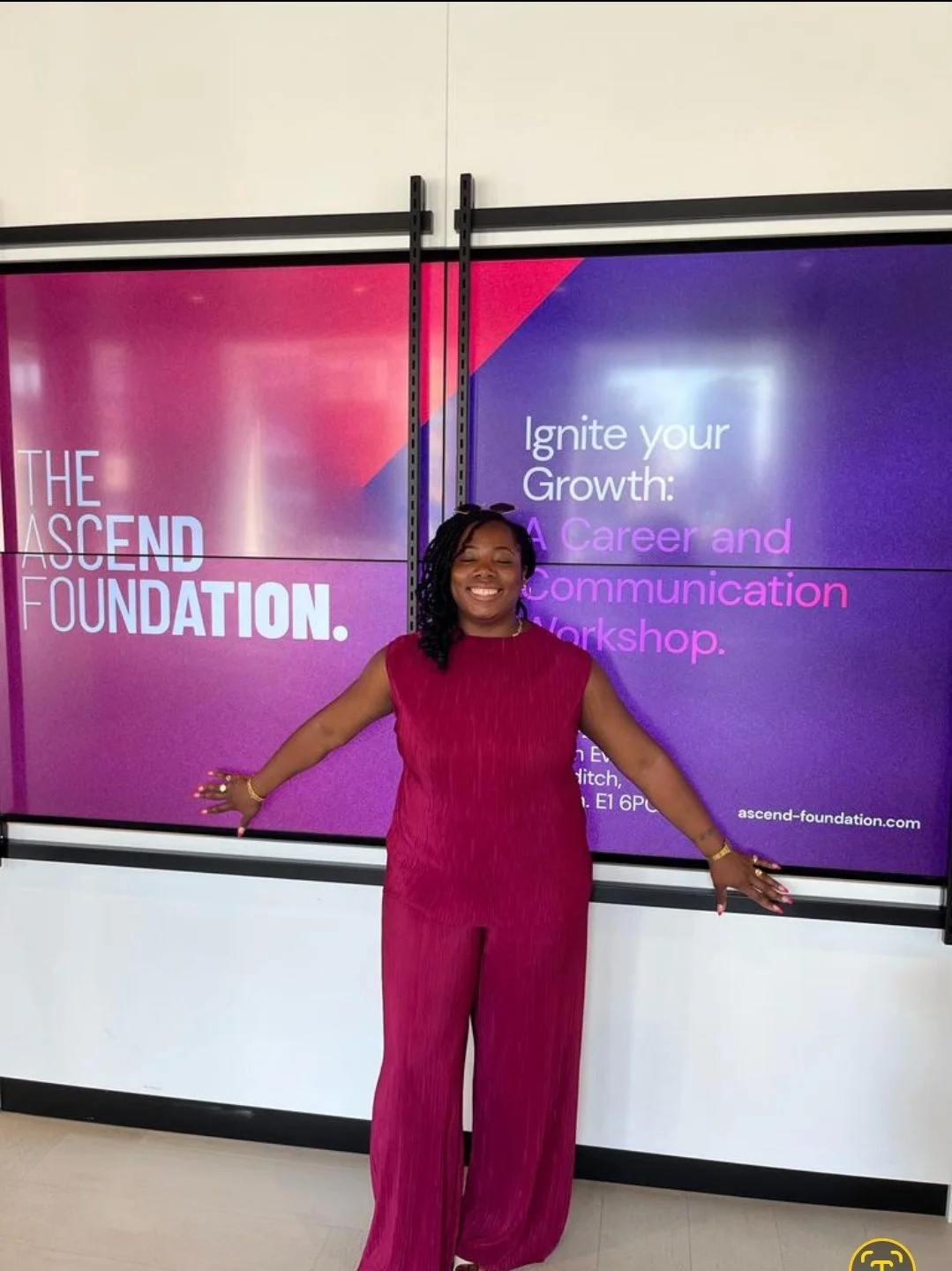
This is exactly what The Ascend Foundation is cooking up.
The plan? To partner with companies to provide outplacement support, you know the vibe: personal and career coaching, job-search strategies, and workbooks that help employees affected by layoffs navigate the change and feel far less alone as they do.
Because it is a lonely experience. I know how it feels, and I would hate for anyone to go through it on their own. My goal is to hold companies accountable and get this kind of support to the people who need it most, because no one deserves to face layoffs alone.
If this sounds like you…
If you've been affected by layoffs, whether right now or at some point in the past, this post is for you. I'd love to hear from you: what kind of support would have genuinely helped you through your own transition? Tell me in the comments, your answer might well shape how I help the next person who finds themselves in this position.
On the flip side, if you’re a founder or HR leader looking for a way to support your employees through the layoff process, this post is also for you.
And if you're going through it right now, or you're curious about one-to-one coaching, leave a comment or send me an email at prodney@ascend-foundation.com. We can talk through what you're looking for, and together we’ll navigate the next steps in this chapter. 💜